

Die bewegliche Mitte
Handlungsspielräume klassischer Lied-Interpret*innen zwischen Werktreue und Subjekt-Positionierung
Zentrum für künsterische Forschung, Kunstuniversität Graz
Dieses Dissertationsprojekt fragt, unter welchen Bedingungen klassische Interpret*innen ihre situierte Subjektposition künstlerisch verhandeln können – und wie sich dadurch ihre Handlungs- und Wirksamkeitsspielräume erweitern. Leitend ist die Frage, wie diese Erweiterung mit Erfahrungen von Lebendigkeit in der Aufführung zusammenhängt: der eigenen, der ihrer Mitperformer*innen und der ihrer Zuhörenden. Untersuchungsfeld ist das Liedduo aus Stimme und Klavier als eine der kleinsten dialogischen Konstellationen westlich-klassischer Musik, in der Subjektivität nicht nur vorausgesetzt, sondern im Zusammenspiel von lyrischem Ich, musikalischer Gestaltung und Stimme selbst zum Material wird.
Ausgangspunkt ist ein Spannungsverhältnis: Normen von Werktreue, Reproduzierbarkeit und Vergleichbarkeit können persönliche, körperliche und politische Dimensionen des Interpretierens neutralisieren – und bringen zugleich jene ethischen Qualitäten hervor, auf die die Arbeit angewiesen bleibt: konzentriertes Zuhören, kammermusikalische Responsivität und zwischenmenschliche Intimität. Die Kritik entsteht daher aus der Nähe zur Praxis; mit Foucaults „Was ist Kritik?“ (1978) sucht sie nach einer „reflektierten Unfügsamkeit“, nach bewohnbaren Verschiebungen von Normen statt nach deren Verlassen. Theoretisch stützt sich die Arbeit auf situiertes Wissen (Haraway) und Subjektivierung (Foucault, Butler) und schließt an (künstlerische) Forschung zu musikalischer Subjektivität an (Siegmund, Laws, de Assis, Doğantan-Dack). Lebendigkeit bildet den ästhetischen Leitbegriff der Arbeit. Sie bezeichnet eine relationale Aufführungsqualität, die sich im Zusammenwirken von Durchlässigkeit, Responsivität, Agency und Wirksamkeit entfaltet. Voraussetzung dafür ist Verletzlichkeit: die Möglichkeit, durch musikalische Werke, künstlerische Partner*innen, Raum, Zuhörende und Unvorhergesehenes berührt, irritiert oder verändert zu werden.
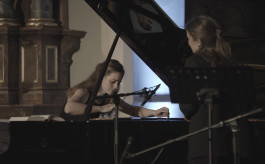
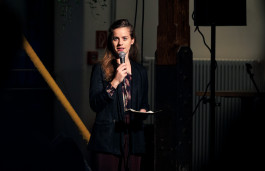
Den empirischen Kern bilden drei experimentelle Fallstudien aus der eigenen künstlerischen Praxis, ausgewertet über Proben-und Aufführungsprozesse, audiovisuelle Dokumentation, Autoethnografie und leitfadengestützte Interviews: 1) die Entgrenzung des Liederabends durch Schauspiel, Rezitation und Film; 2) das Kuratieren von Konzerten als genuin interpretatorische Handlung mit Wechselwirkungen zwischen Materialität, Raum und Moderation; und 3) eine Zusammenarbeit mit einer Tänzerin, die somatische Praxis, Improvisation und komponierte Lieder verbindet und die Autorität vermeintlich stabiler Werke befragt. Dass Erweiterung und Öffnung auch Überforderung, Selbstinszenierung oder neue Ausschlüsse erzeugen kann, wird ausdrücklich mituntersucht.
Die Arbeit entwickelt ein Verständnis interpretatorischer Agency als verantwortliche Beziehungspraxis. Ziel ist kein neuer Interpretationstyp, sondern ein durch Handeln erweitertes Verhältnis zu den Normen klassischer Interpretation – und die Frage, wie Nähe, Distanz, Offenbarung und Zurückhaltung zu künstlerischen Entscheidungen werden können statt zu Anpassungen an Erwartungen.
Konzertprojekte im Forschungskontext


Die bewegliche Mitte
Handlungsspielräume klassischer Lied-Interpret*innen zwischen Werktreue und Subjekt-Positionierung
Zentrum für künsterische Forschung, Kunstuniversität Graz
Dieses Dissertationsprojekt fragt, unter welchen Bedingungen klassische Interpret*innen ihre situierte Subjektposition künstlerisch verhandeln können – und wie sich dadurch ihre Handlungs- und Wirksamkeitsspielräume erweitern. Leitend ist die Frage, wie diese Erweiterung mit Erfahrungen von Lebendigkeit in der Aufführung zusammenhängt: der eigenen, der ihrer Mitperformer*innen und der ihrer Zuhörenden. Untersuchungsfeld ist das Liedduo aus Stimme und Klavier als eine der kleinsten dialogischen Konstellationen westlich-klassischer Musik, in der Subjektivität nicht nur vorausgesetzt, sondern im Zusammenspiel von lyrischem Ich, musikalischer Gestaltung und Stimme selbst zum Material wird.
Ausgangspunkt ist ein Spannungsverhältnis: Normen von Werktreue, Reproduzierbarkeit und Vergleichbarkeit können persönliche, körperliche und politische Dimensionen des Interpretierens neutralisieren – und bringen zugleich jene ethischen Qualitäten hervor, auf die die Arbeit angewiesen bleibt: konzentriertes Zuhören, kammermusikalische Responsivität und zwischenmenschliche Intimität. Die Kritik entsteht daher aus der Nähe zur Praxis; mit Foucaults „Was ist Kritik?“ (1978) sucht sie nach einer „reflektierten Unfügsamkeit“, nach bewohnbaren Verschiebungen von Normen statt nach deren Verlassen. Theoretisch stützt sich die Arbeit auf situiertes Wissen (Haraway) und Subjektivierung (Foucault, Butler) und schließt an (künstlerische) Forschung zu musikalischer Subjektivität an (Siegmund, Laws, de Assis, Doğantan-Dack). Lebendigkeit bildet den ästhetischen Leitbegriff der Arbeit. Sie bezeichnet eine relationale Aufführungsqualität, die sich im Zusammenwirken von Durchlässigkeit, Responsivität, Agency und Wirksamkeit entfaltet. Voraussetzung dafür ist Verletzlichkeit: die Möglichkeit, durch musikalische Werke, künstlerische Partner*innen, Raum, Zuhörende und Unvorhergesehenes berührt, irritiert oder verändert zu werden.
Den empirischen Kern bilden drei experimentelle Fallstudien aus der eigenen künstlerischen Praxis, ausgewertet über Proben-und Aufführungsprozesse, audiovisuelle Dokumentation, Autoethnografie und leitfadengestützte Interviews: 1) die Entgrenzung des Liederabends durch Schauspiel, Rezitation und Film; 2) das Kuratieren von Konzerten als genuin interpretatorische Handlung mit Wechselwirkungen zwischen Materialität, Raum und Moderation; und 3) eine Zusammenarbeit mit einer Tänzerin, die somatische Praxis, Improvisation und komponierte Lieder verbindet und die Autorität vermeintlich stabiler Werke befragt. Dass Erweiterung und Öffnung auch Überforderung, Selbstinszenierung oder neue Ausschlüsse erzeugen kann, wird ausdrücklich mituntersucht.
Die Arbeit entwickelt ein Verständnis interpretatorischer Agency als verantwortliche Beziehungspraxis. Ziel ist kein neuer Interpretationstyp, sondern ein durch Handeln erweitertes Verhältnis zu den Normen klassischer Interpretation – und die Frage, wie Nähe, Distanz, Offenbarung und Zurückhaltung zu künstlerischen Entscheidungen werden können statt zu Anpassungen an Erwartungen.
Konzertprojekte im Forschungskontext

